
 Recycled & rPET
#TB122
10 oz Doris Recycled PolyCotton Tote Bag
from US$ 8.99
535 products · minimums from 100 · 5–10 business days
The tote is the most-ordered eco promotional product and the easiest one to get wrong. A cotton tote has to be used somewhere between 50 and 150 times before it beats the single-use plastic bag it replaced — the growing and processing of cotton is that input-heavy. Ordered as a giveaway nobody asked for, it is a worse environmental outcome than no bag at all, which is an uncomfortable thing for a promotional supplier to write and true anyway.
Two things fix it. Order a bag people will actually keep — which usually means a real fabric weight, a shape that works for groceries or a laptop, and a design someone would carry without the logo being the point. And prefer recycled input, because the break-even maths is completely different:
Minimum on most totes is 100 pieces with 5–10 business days production. Rush production is available on many items in this range.
Recycled & rPET 10 oz Doris Recycled PolyCotton Tote Bag
from US$ 8.99
 Recycled & rPET
10-Can Carter rPET Lunch Bag
from US$ 9.99
 Recycled Cotton & Canvas
12 Oz. Recycled Cotton Mini Tote Bag Charm
from US$ 4.99
 Recycled & rPET
12# S.O.S Bag - ColorVista (7 1/8" x 4 3/8" x 13 7/8")
from US$ 1.92
 Recycled & rPET
12# S.O.S Bag - Dynamic Color (7 1/8" x 4 3/8" x 13 7/8")
from US$ 0.92
 Recycled & rPET
12# S.O.S Bag - Flexo Ink Print (7 1/8" x 4 3/8" x 13 7/8")
from US$ 0.72
 Recycled & rPET
12# S.O.S Bag - Foil Print (7 1/8" x 4 3/8" x 13 7/8")
from US$ 1.12
 Recycled Cotton & Canvas
14 Oz. Recycled Canvas Tote Bag
from US$ 13.25
 Recycled Cotton & Canvas
14 Oz. Recycled Mono-strap Canvas Tote Bag
from US$ 19.89
 Organic Cotton
16 oz Organic Cotton Commuter Tote
from US$ 14.80
 Recycled & rPET
2.5L Eco Waterproof Dry Bag
from US$ 4.49
 Recycled & rPET
20# S.O.S Bag - ColorVista (8 1/4" x 5 1/4" x 16 1/8")
from US$ 1.96
 Recycled & rPET
20# S.O.S Bag - Dynamic Color (8 1/4" x 5 1/4" x 16 1/8")
from US$ 0.96
 Recycled & rPET
20# S.O.S Bag - Flexo Ink Print (8 1/4" x 5 1/4" x 16 1/8")
from US$ 0.76
 Recycled & rPET
20# S.O.S Bag - Foil Print (8 1/4" x 5 1/4" x 16 1/8")
from US$ 1.16
 Recycled & rPET
3.9"H x 5.7"W Recycled Water Bottle Pouch
from US$ 5.45
 Recycled Cotton & Canvas
4 oz. Recycled Cotton Tote Bag
from US$ 2.09
 Recycled & rPET
6# S.O.S Bag - ColorVista (6" x 3 5/8" x 11")
from US$ 1.86
 Recycled & rPET
6# S.O.S Bag - Dynamic Color (6" x 3 5/8" x 11")
from US$ 0.86
 Recycled & rPET
6# S.O.S Bag - Flexo Ink Print (6" x 3 5/8" x 11")
from US$ 0.66
 Recycled & rPET
6# S.O.S Bag - Foil Print (6" x 3 5/8" x 11")
from US$ 1.06
 Recycled & rPET
Adventure™ - Polyester Tote - ColorVista (16" x 4" x 14 1/2")
from US$ 4.65
 Recycled & rPET
Adventure™ - Polyester Tote - Screen Print (16" x 4" x 14 1/2")
from US$ 3.90
 Recycled & rPET
Adventure™ - Polyester Tote - Sparkle (16" x 4" x 14 1/2")
from US$ 5.90
 Recycled & rPET
Aft Recycled 15'' Computer Messenger Bag
from US$ 29.97
 Recycled & rPET
Aft Recycled 15'' Computer Rucksack
from US$ 41.18
 Recycled & rPET
Aft Recycled Computer Tote
from US$ 38.98
 Recycled & rPET
Alba Recycled rPET Weekender - Black Sand
from US$ 49.43
 Recycled & rPET
All Purpose Recycled Cotton Tote
from US$ 1.98
 Recycled Cotton & Canvas
AllDay Eco Tote Bag
from US$ 2.79
 Recycled Cotton & Canvas
AllDay Eco Tote Bag (Factory Direct) 10-12 Weeks
from US$ 2.47
 Recycled Cotton & Canvas
America250™ 14 Oz. Recycled Canvas Tote Bag
from US$ 24.88
 Recycled Cotton & Canvas
America250™ Medium Starboard 24 Oz. Recycled Cotton Canvas Tote Bag
from US$ 19.27
 Recycled & rPET
American Tourister Embark Recycled rPET Weekender - Gunite
from US$ 73.58
 Recycled & rPET
American Tourister Zoom Turbo Recycled rPET Shoe Bag - Black
from US$ 9.98
 Recycled & rPET
Anywhere Rpet Card Pouch
from US$ 3.20
 Recycled & rPET
Anywhere Rpet Crossbody Bag
from US$ 11.99
 Recycled & rPET
Anywhere Rpet Sport Sling Bag
from US$ 12.99
 Recycled & rPET
Anywhere Rpet Weekender Tote Bag
from US$ 15.99
 Recycled & rPET
Apex Recycled rPET Sling Bag - Black
from US$ 12.98
 Recycled & rPET
Apex Recycled rPET Sling Bag - Royal Blue
from US$ 12.98
 Recycled & rPET
Arden 3 Oz. Recycled Cotton Canvas Tote Bag
from US$ 2.50
 Recycled & rPET
Arden 9 Oz. Recycled Cotton Starboard Tote Bag
from US$ 6.99
 Recycled & rPET
Arlo Recycled rPET Deluxe Shopper - Black
from US$ 3.78
 Recycled & rPET
Arlo Recycled rPET Deluxe Shopper - Navy
from US$ 3.78
 Recycled & rPET
Arlo Recycled rPET Deluxe Shopper - Orange
from US$ 3.78
 Recycled & rPET
Arlo Recycled rPET Deluxe Shopper - Pink
from US$ 4.35
 Recycled & rPET
Arlo Recycled rPET Deluxe Shopper - Purple
from US$ 3.78
 Recycled & rPET
Arlo Recycled rPET Deluxe Shopper - Red
from US$ 3.78
 Recycled & rPET
Arlo Recycled rPET Deluxe Shopper - Royal Blue
from US$ 3.78
 Recycled & rPET
Arlo Recycled rPET Deluxe Shopper - Yellow
from US$ 4.35
 Recycled & rPET
Arlo Recycled rPET Insulated Grocery Shopper - Black
from US$ 11.48
 Recycled & rPET
Arlo Recycled rPET Insulated Grocery Shopper - Lime Green
from US$ 11.48
 Recycled & rPET
Arlo Recycled rPET Insulated Grocery Shopper - Orange
from US$ 11.48
 Recycled & rPET
Arlo Recycled rPET Insulated Grocery Shopper - Red
from US$ 11.48
 Recycled & rPET
Arlo Recycled rPET Insulated Grocery Shopper - Royal Blue
from US$ 11.48
 Recycled & rPET
Arlo Recycled rPET Mini Crossbody - Black
from US$ 4.98
 Recycled & rPET
Arlo Recycled rPET Mini Crossbody - Navy
from US$ 4.98
 Recycled & rPET
Arlo Recycled rPET Mini Crossbody - Red
from US$ 5.73
 Recycled & rPET
Arlo Recycled rPET Mini Crossbody - Royal Blue
from US$ 4.98
 Recycled & rPET
Arlo Recycled rPET Tote - Black
from US$ 6.42
 Recycled & rPET
Arlo Recycled rPET Tote - Lime Green
from US$ 6.42
 Recycled & rPET
Arlo Recycled rPET Tote - Navy
from US$ 6.42
 Recycled & rPET
Arlo Recycled rPET Tote - Orange
from US$ 6.42
 Recycled & rPET
Arlo Recycled rPET Tote - Pink
from US$ 6.42
 Recycled & rPET
Arlo Recycled rPET Tote - Purple
from US$ 6.42
 Recycled & rPET
Arlo Recycled rPET Tote - Red
from US$ 6.42
 Recycled & rPET
Arlo Recycled rPET Tote - Royal Blue
from US$ 6.42
 Recycled & rPET
Arlo Recycled rPET Tote - Yellow
from US$ 6.98
 Recycled & rPET
Ash Recycled PET 3-Pack Shopper Totes
from US$ 11.98
 Recycled & rPET
Aware™ 10 Oz. Recycled Cotton Canvas Tote Bag
from US$ 16.50
 Recycled & rPET
Aware™ 10 Oz. Recycled Cotton Zip Pouch
from US$ 3.65
 Recycled & rPET
Aware™ 14 Oz. Recycled Cotton North/south Tote
from US$ 12.85
 Recycled & rPET
Aware™ 4 Oz. Recycled Cotton Tote Bag
from US$ 4.50
 Recycled & rPET
Aware™ 9 Oz. Recycled Cotton Shopper Tote Bag
from US$ 6.99
 Recycled Cotton & Canvas
Aws Mini Starboard 10 Oz. Recycled Cotton Canvas Tote Bag
from US$ 5.49
 Recycled & rPET
Axel rPET Tote Bag w/Bottle Holder
from US$ 4.49
 Recycled & rPET
b.active Eco Friendly Sling Bag
from US$ 19.08
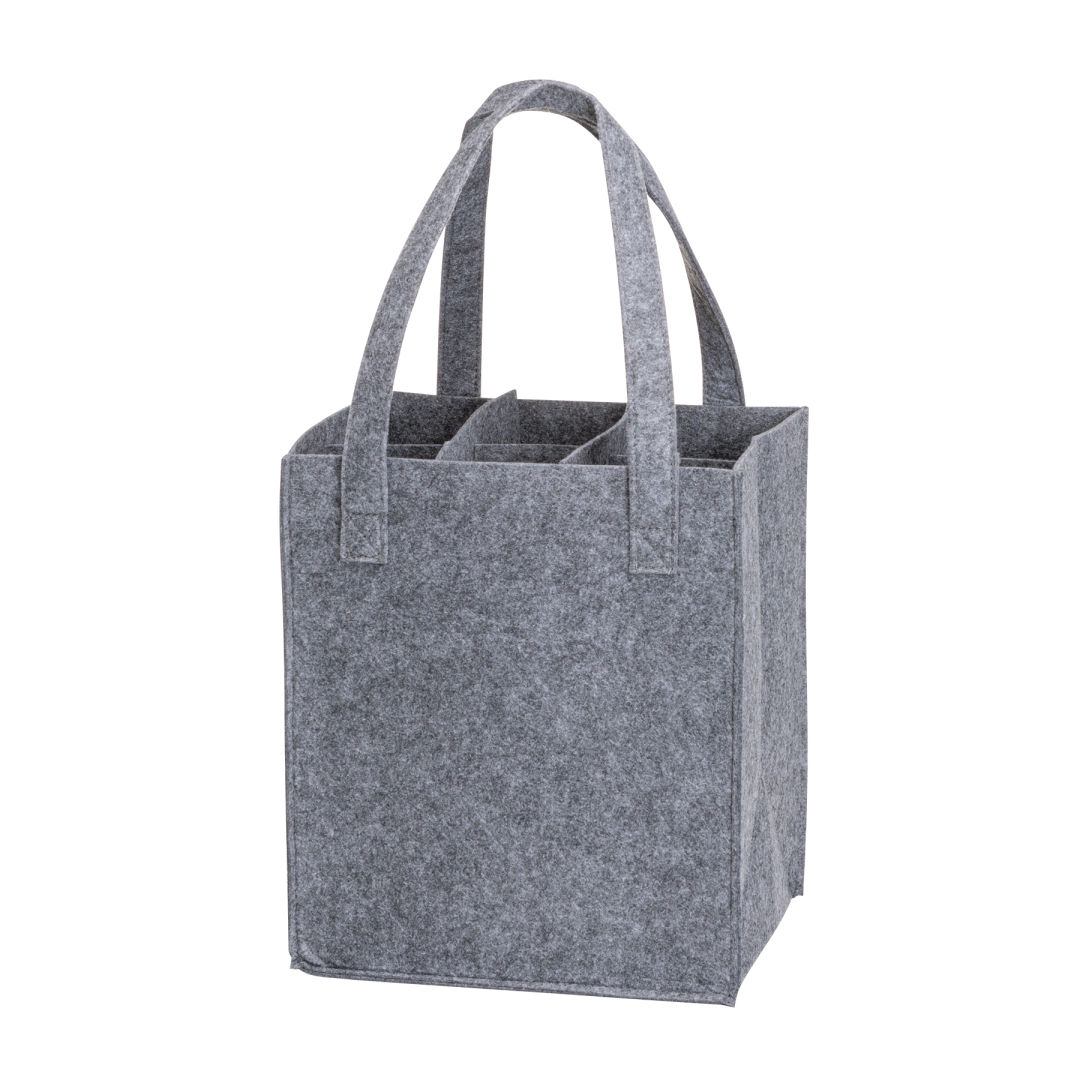 GRS Certified
Batura Bottle Carrier
from US$ 5.80
 Recycled & rPET
Bay View Recycled Giant Zipper Beach Tote
from US$ 22.99